
Featured
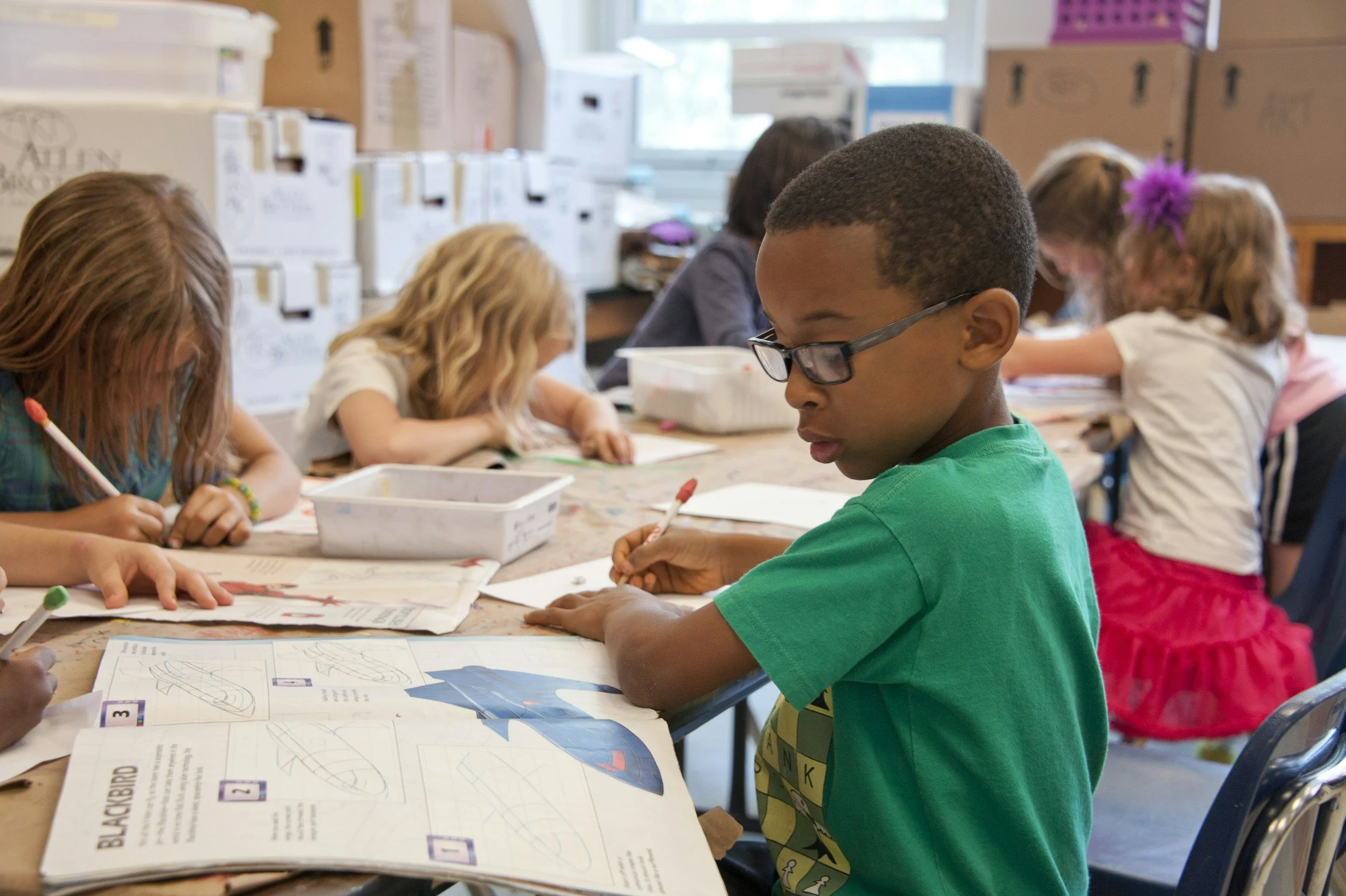
2 Comments Parents of Autistic Kids Are Tired of Hearing from Therapists


Most kids, regardless of neurotype, have big, messy emotions, including some major tantrums, as they calibrate to life. This is just part of growing up.
However, if you have a gifted child with emotional overexcitability (OE), the word “intense” may feel like a massive understatement. For this group of kids, feelings tend to be awakened more readily and experienced as more all-consuming, powerful, and tireless. Their feelings are extraordinarily frequent, intense, and long-lasting. This can make a parent’s job uniquely challenging!
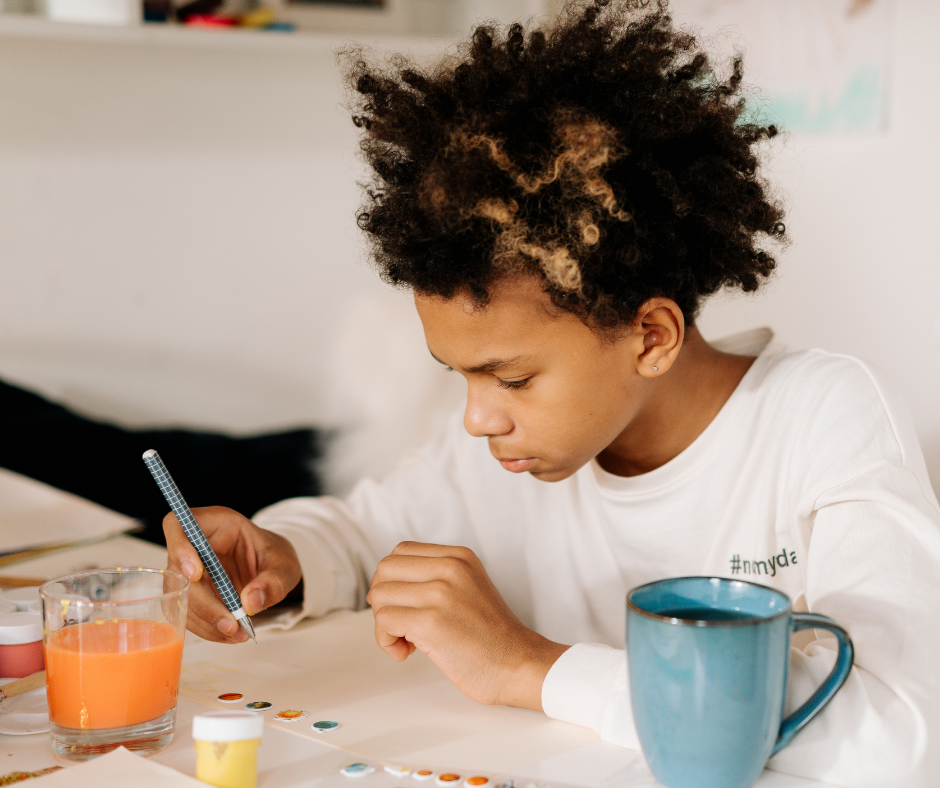
When I say “perfectionistic child,” many conjure an image of a kid basically trembling with anxiety, erasing and re-writing their name over and over and over again, tears streaming silently down their face. And sometimes, yes, perfectionism can look that way. But perfectionism can also be a bit less straightforward.

Children, like adults, have had their worlds turned upside down rather instantaneously. Kids have lost all their normal routines and direct contact with their friends and teachers, not to mention social gatherings of import (What do you mean my birthday party is cancelled?!)
It is normal for your child to be struggling right now. It is normal for your child to be more anxious, clingy, irritable, and defiant. It is normal for your child to regress. The goal right now is not necessarily for your family to thrive, learn, and grow in spades. The goal is to survive this very stressful time in one piece.
Ah, "no." If you're like most of the parents I work with, this one little word, directed at a certain sweet little child, can metaphorically set fire to your entire day, transforming your once peaceful home into a hellscape.

There are some real challenges with finding a safe and effective attachment-based therapist. You may have heard the horror stories or you may have survived them. But still, your family needs help! How can you sort through the self-proclaimed "attachment experts" and find someone safe, someone who can really help?

All children need help from grown-ups in managing transitions, or changes, in their lives. Some transitions are small, like finishing breakfast and transitioning to brushing teeth. Others are much bigger, like going to a grandparent's house for the weekend. Here are some tried-and-true tips to make those transitions a little smoother!

Touch is one of the most powerful ways to connect with kids! Some kids will actively seek out cuddles and snuggles, while others will shrink away from touch. And yet, touch is crucial for the healthy development of all children. I often "prescribe" touch to families who are struggling, because touch is so incredibly powerful for emotionally regulating children, helping them feel grounded, safe and loved.

When your child is upset, it’s often helpful to take a step back and engage in a process called mirroring. Mirroring is essential to the emotional development of children because it encourages self-reflection, it helps kids feel understood and accepted, and it promotes the full and healthy expression of emotions.

Where exactly does self-esteem come from? The basic building blocks of self-esteem are found in childhood, in how our most emotionally significant people (usually our parents) see us. How you interact with your child matters very much! And since we know that over 90% of social communication is non-verbal, verbal praise is only a tiny part of the equation. Here are some fun ways to build self-esteem, without words.

I talk about self-care a lot with parents, because above everything else, the best parents are happy, healthy people. Sometimes we struggle with how to best nurture ourselves, or it becomes something "on the back burner," our last priority as we juggle kids, career, romantic relationship, friends, etc. In my professional opinion, this is a recipe for disaster. Please take care of yourself! (I can't emphasize this enough.)
The age-old question: How do we get our children to listen to us? I'm here to give you my child therapist-approved, defiant kiddo-tested, tried-and-true strategies.

When parents tell me that their defiant child is failing school, here is one of the first questions I ask myself: "Is this child actually gifted?"

Maybe you've gone to a psychologist, therapist or social worker and they've given you the diagnosis. Maybe you've Web-MD'ed it and think your child has ODD. Regardless, I'm here to give you the next steps toward your child's healing.

I thought "I have a world-class education." I thought, "I could attach to a rock! No attachment disorder is any match for me!"
In short, I lacked humility. And I lacked specialized training.

Maintaining and growing your relationship with your child is the #1 thing that will help your family overcome the difficult behaviors. As a child therapist, I want you to know that this heart-level connection between you and your child is more important than any parenting strategy or therapeutic intervention out there.